Canadian Citizenship Requirements 2025
Once you meet all the eligibility criteria, the final step is completing the application process. You can submit your application yourself or seek assistance from an immigration consultant. Below, we outline how we support our clients every step of the way—read on to learn more!
Requirements to Become a Canadian Citizen:
Canadian Citizenship Under Canadian Law
Canadian citizenship is regulated by the Citizenship Act, which outlines who qualifies as a Canadian Citizen, the ways to obtain citizenship, and the conditions under which it can be revoked.
Who Qualifies as a Canadian Citizen?
You are considered a Canadian citizen if you meet any of the following criteria:
What Is Naturalization in Canada?
Naturalization is the legal process through which individuals who were not born in Canada become Canadian citizens. It is governed by Canadian nationality law.
To be eligible for naturalization, an applicant must:
Through naturalization, individuals can become Canadian citizens even if they were born outside the country. However, citizenship may be revoked if it was obtained through fraud or misrepresentation.
Permanent Resident Status & Citizenship Eligibility
Once you become a Canadian
permanent resident
and receive your PR card, your physical presence in Canada begins counting toward citizenship eligibility. Before applying, ensure you can prove your permanent resident status with either a Confirmation of Permanent Residence (COPR) or a PR card, and that you meet the required time threshold.
You may be eligible to count up to one year of time spent in Canada before becoming a permanent resident—as a temporary resident (worker, student, or visitor) or as a protected person—toward the required 1,095 days of physical presence. Each day of authorized stay counts as half a day.
Can I Apply for Canadian Citizenship If My PR Card Has Expired?
Yes. You can apply for Canadian citizenship even if your PR card has expired. Canadian law does not require a valid PR card at the time of application. You only need to maintain permanent resident status and meet all citizenship eligibility requirements.
There is no need to renew your PR card before submitting your citizenship application.
Time You Have Lived in Canada
To be eligible for Canadian citizenship, you must have been physically present in Canada for at least 3 years (1,095 days) before signing your application. IRCC recommends applying after more than 3 years of presence to account for any possible calculation errors. You may include time spent in Canada as a temporary resident in your total, provided it meets IRCC’s eligibility criteria.
How to Count Your Time in Canada
Helpful Tip
To ensure accuracy, verify your travel history using:
You may also maintain a travel journal to log trips outside Canada. Keep all records updated—retrieving missing details later can be difficult. Save emails, flight confirmations, and any supporting documents. Every small record helps when calculating your physical presence.
Filing Income Taxes
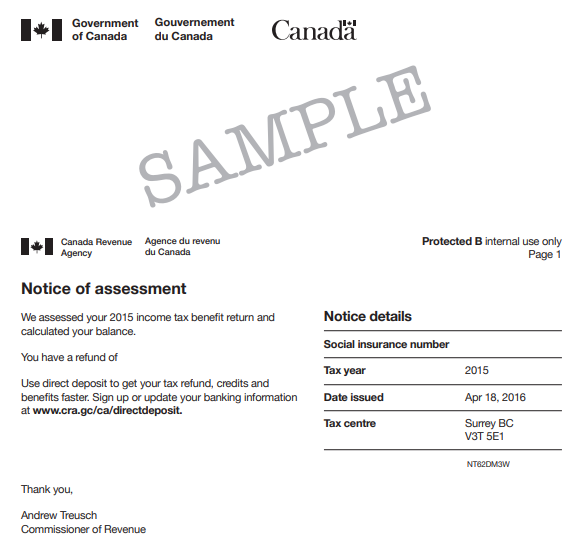
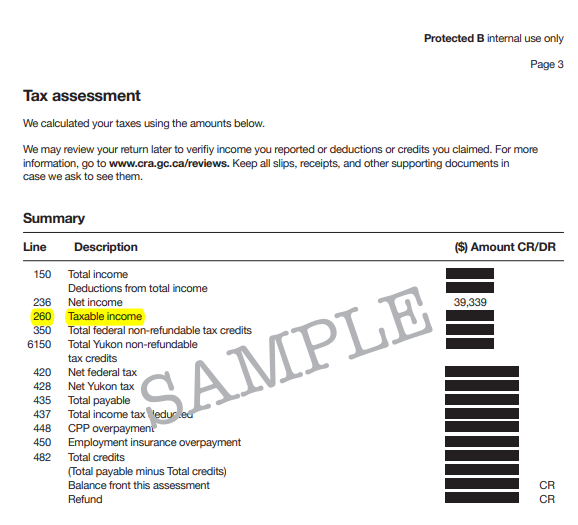
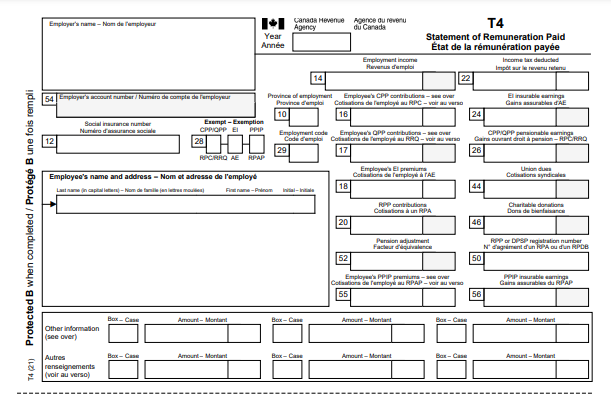
Filing income taxes is an important requirement for Canadian citizenship. You must file taxes in Canada for at least three years within the eligibility period before submitting your citizenship application to Immigration, Refugees and Citizenship Canada (IRCC).
Employers typically issue a T4 slip in January or February following the end of the tax year. Even if you lived or worked in Canada for only part of the year, you may still be required to file a tax return. Filing accurately and on time helps ensure you meet citizenship eligibility requirements.
Do I need to upload my tax returns when applying for citizenship?
No. You do not need to upload your tax returns with your citizenship application. Immigration, Refugees and Citizenship Canada (IRCC) obtains your tax information directly from the Canada Revenue Agency (CRA). By applying, you authorize IRCC to verify your tax records to ensure you meet the tax filing requirements.
For details on how to file your tax return, please refer to the
provided link.
Canadian Citizenship Test
Passing the Canadian Citizenship Test is a key requirement for becoming a Canadian citizen. Applicants between 18 and 54 years of age at the time of signing their application must take this test.
The exam assesses your knowledge of Canada’s history, geography, economy, government, laws, symbols, as well as the rights and responsibilities of Canadian citizens.
The test consists of 20 questions, and you must answer at least 15 correctly to pass. It is conducted in English or French and has a 30-minute time limit. All questions are based on the official citizenship
study guide.
To help you prepare, there are many online practice tests and study resources available.
For detailed information about the citizenship test, please
visit the link.
Language Skills: A Key Requirement for Canadian Citizenship
Canada recognizes two official languages—English and French. If you are between 18 and 54 years old on the day you sign your citizenship application, you must demonstrate the ability to speak and understand one of these languages at the required level. Meeting this language requirement is mandatory for Canadian citizenship, as set by Immigration, Refugees and Citizenship Canada (IRCC).
How to Apply for Canadian Citizenship
Following changes introduced after COVID-19, IRCC now allows citizenship applications to be submitted online, in addition to the traditional paper-based (mail-in) option. Applicants can choose the method that best suits them when submitting their documents.
Documents Required for Your Citizenship Application
To apply for Canadian citizenship, you must submit the following:
For complete and updated information, refer to the official Document Checklist.
Download Citizenship Application for Adults
Canadian Citizenship Application Fees
To apply for Canadian citizenship, the following government fees apply:
Adults (18 years and above): CAD $630
(Processing fee: CAD $530 + Right of Citizenship fee: CAD $100)
Minors (under 18 years): CAD $100
If you choose to withdraw your application before it is processed, you may be eligible for a partial refund. Please note that application fees are non-refundable if the application is refused.
Circumstances That May Make You Ineligible for Canadian Citizenship
Under the Canadian Citizenship Act, certain conditions may prevent you from applying for citizenship. You may be ineligible if you:
How Long Does It Take to Process a Canadian Citizenship Application?
On average, Canadian citizenship applications are processed within approximately 8 months. This timeline includes the review of your application, the citizenship test, any required interviews, and the citizenship ceremony. Processing times may vary depending on individual circumstances. Factors such as the type of application submitted, completeness of documents, background verification, current application volumes, and how quickly you respond to requests from immigration authorities can all impact the overall timeline.
Can Citizenship Processing Be Expedited in an Emergency?
In certain exceptional situations, applicants may request urgent processing. This option is available only in limited cases, such as when citizenship is required for employment purposes, to prevent job loss, or for urgent travel due to a serious family emergency. Approval of urgent processing is not guaranteed, even in compelling circumstances. Additionally, approval does not always ensure that citizenship will be granted within your required timeframe. If the request does not meet the criteria, the application will continue under standard processing timelines.
To request urgent processing, you must:
If your application has already been submitted, you may request urgent processing by completing the online web form, providing your application details, reasons for urgency, and uploading supporting documents.
When Do You Officially Become a Canadian Citizen?
The citizenship ceremony is the final and most important step in the citizenship process. Once your application is approved, you will receive an invitation to attend the ceremony.
During the ceremony, you will take the Oath of Citizenship, pledging loyalty to Canada and commitment to its laws and values. From that moment onward, you are officially a Canadian citizen.
After the ceremony, you are eligible to apply for a Canadian passport and participate fully in civic life, including the right to vote.
Benefits of Canadian Citizenship
Canadian citizenship offers long-term security, freedom, and opportunities for a better quality of life. At Live Better Immigration, we help you unlock these advantages and build a confident future in Canada.
Frequently Asked Questions